D S F

Different
Species
Feces

A Visual Compendium

Click or press arrow keys to browse

Swipe or tap to browse

Africa
Africa
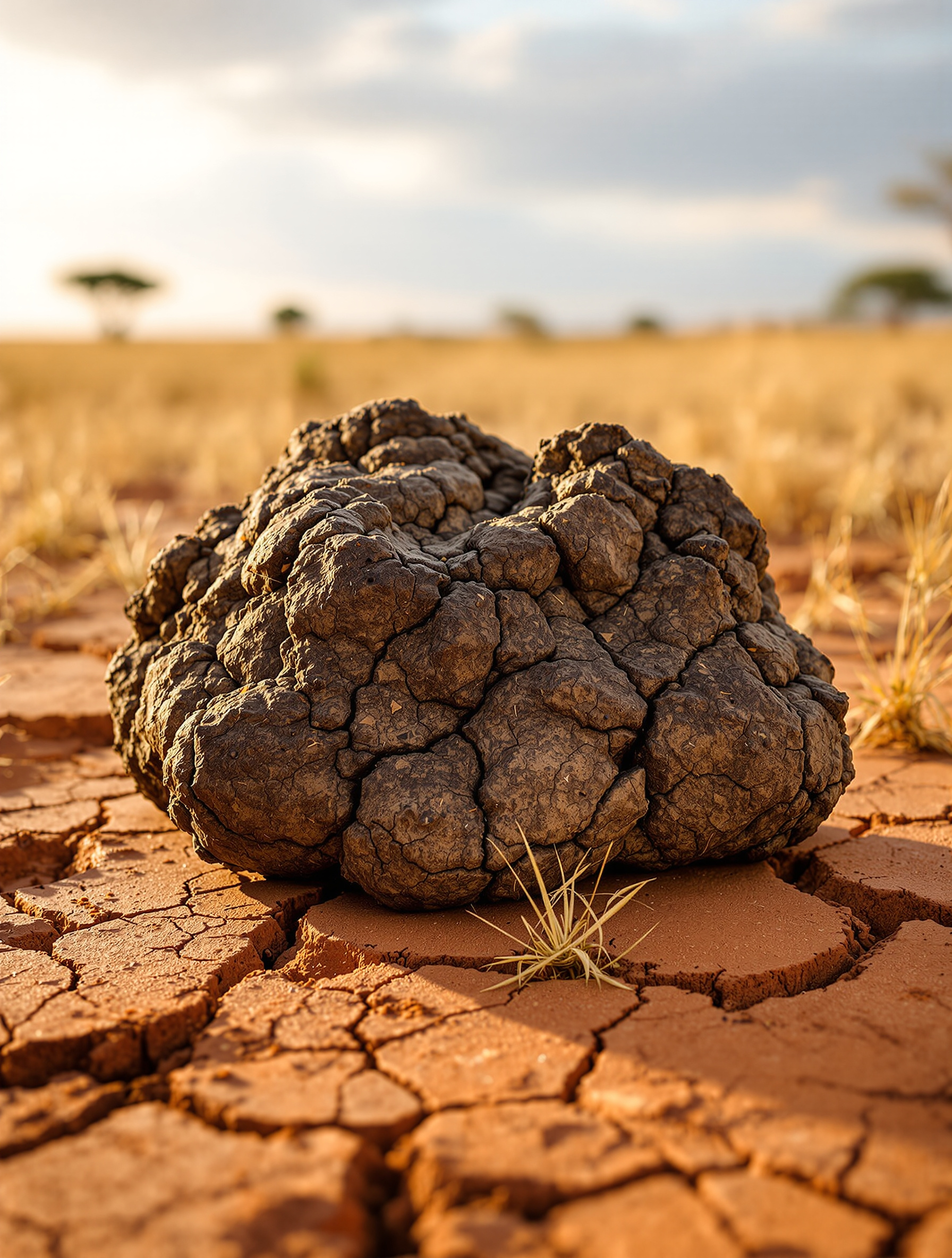
African Elephant specimen

African Elephant

Loxodonta africana

A commanding deposit. Coarse-fibered, generously scaled, with an unmistakable presence on the Serengeti floor. The aroma opens with fermented savanna grass, evolving into warm, loamy undertones of sun-baked clay. A herbivorous complexity that rewards careful observation.
LocationAmboseli National Park, Kenya
Coordinates2.6527° S, 37.2606° E
SeasonLate dry season
DietMixed browse and graze
TextureCoarsely fibrous, loosely consolidated
AromaFermented savanna grass, warm loamy undertones
Dimensions18 × 22 cm
Weight1.4 kg
HabitatOpen savanna grassland
FreshnessApproximately 4 hours post-deposit
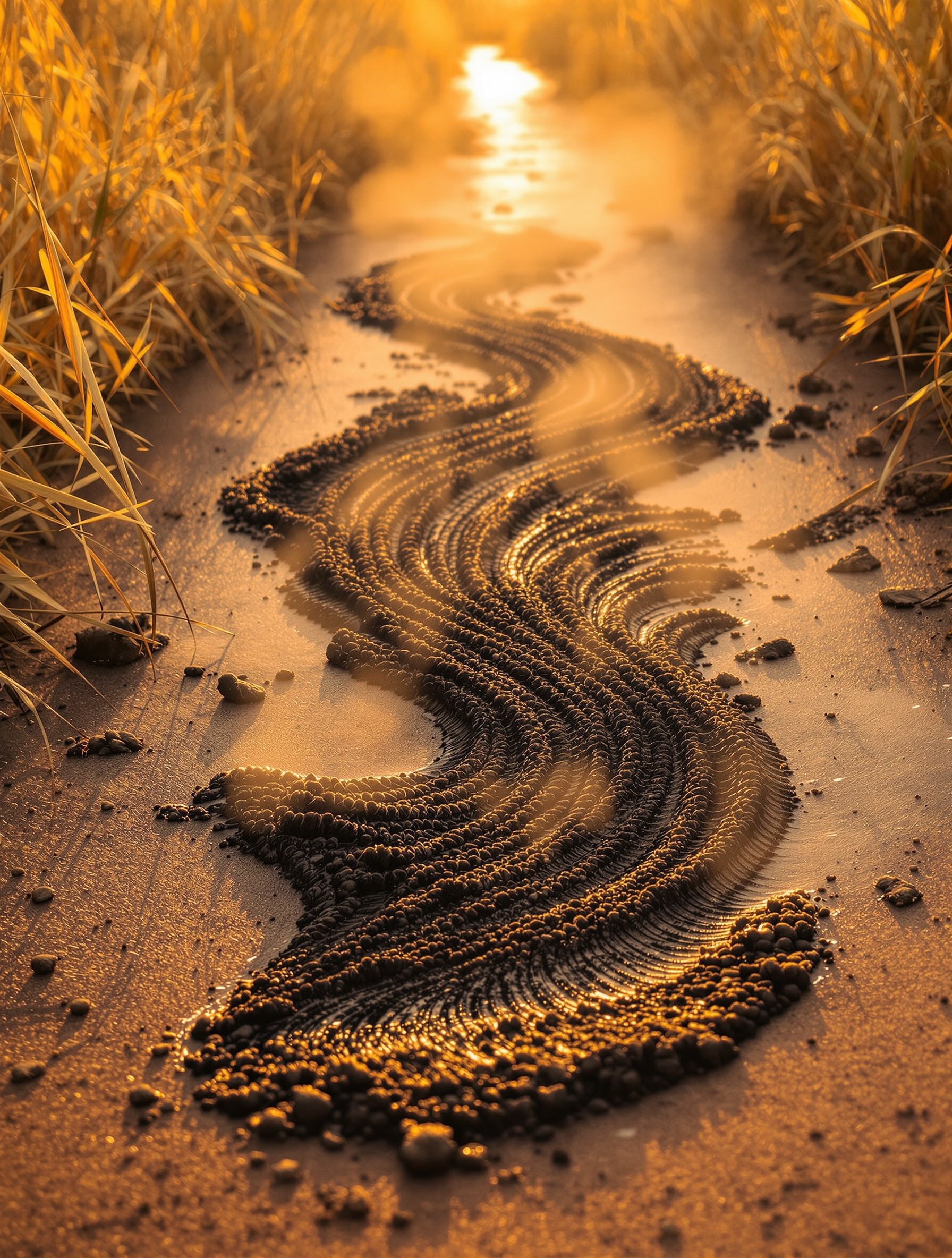
Hippopotamus specimen

Hippopotamus

Hippopotamus amphibius

A broadcast. The hippo does not merely defecate — it performs. The tail spins like a propeller, distributing a voluminous, semi-liquid slurry across a remarkable radius. The result is territorial graffiti of the highest order: emphatic, pungent, and impossible to misread. Subtlety has no place here.
LocationOkavango Delta, Botswana
Coordinates19.4500° S, 22.9500° E
SeasonDry season
DietShort grasses, aquatic vegetation
TextureSemi-liquid slurry, fan-distributed
AromaOverwhelming, fermented vegetation, methane-rich
DimensionsSpray radius approximately 2 meters
WeightEstimated 3–5 kg per event
HabitatRiverbank, hippo trail between grazing and water
FreshnessMinutes old, still steaming
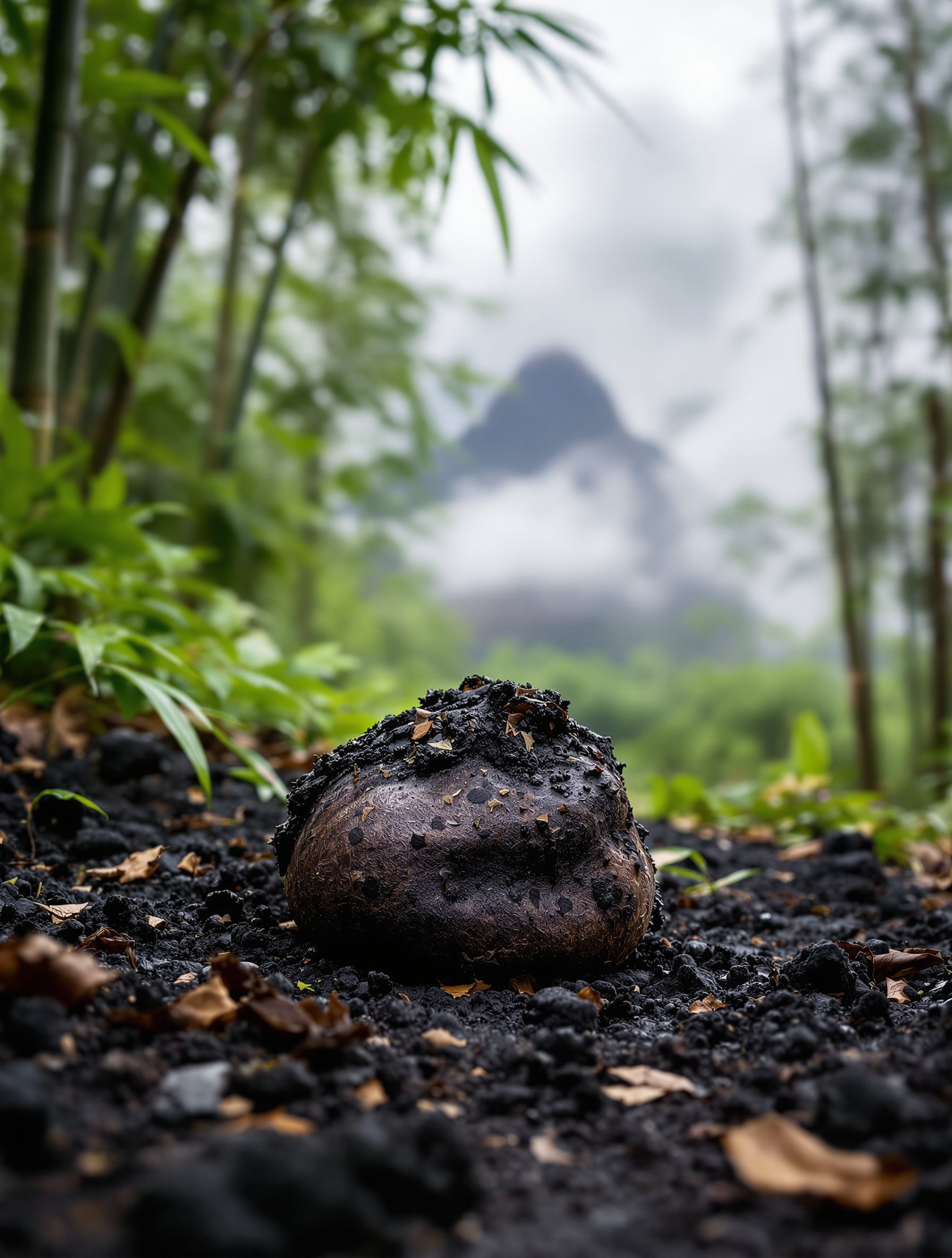
Mountain Gorilla specimen

Mountain Gorilla

Gorilla beringei beringei

Substantial. Considered. A lobed, fibrous mass deposited on the volcanic soil of the Virunga highlands — testament to a contemplative herbivore of considerable intellect. The aroma is pungent but not unpleasant: fermented wild celery, nettles, and the dark sweetness of overripe Rubus fruit. One senses intention. Even in this most basic act, the silverback maintains a quiet authority.

LocationVolcanoes National Park, Rwanda
Coordinates1.4580° S, 29.5280° E
SeasonShort dry season
DietWild celery, bamboo shoots, nettles, Rubus fruit
TextureLobed, fibrous, semi-firm
AromaFermented celery, dark fruit, damp volcanic earth
Dimensions10 × 15 cm
Weight520 g
HabitatMontane bamboo forest, 3,100m elevation
FreshnessUnder 2 hours, found at night nest site
Americas
Americas
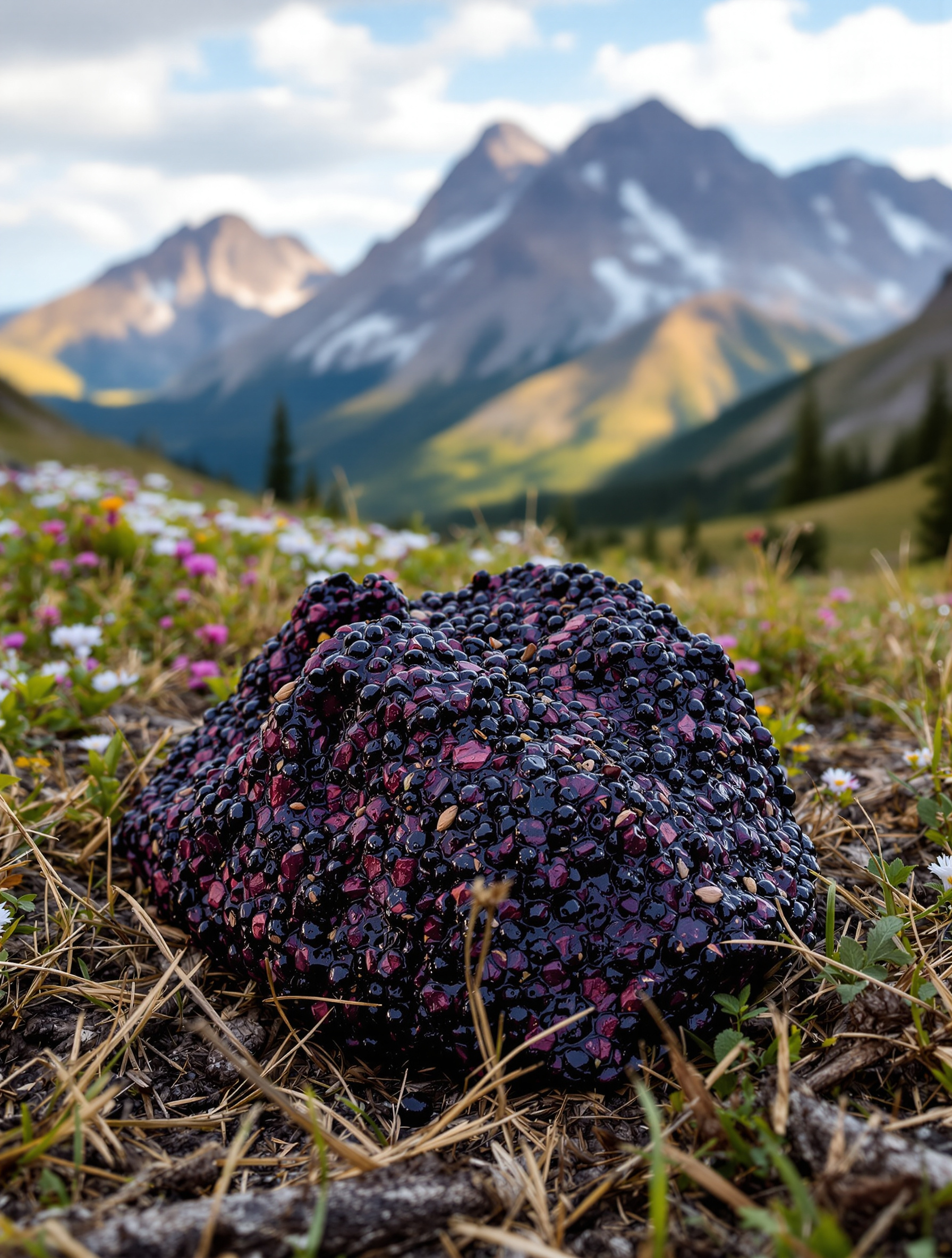
Grizzly Bear specimen

Grizzly Bear

Ursus arctos horribilis

Voluminous and assertive. A late-summer specimen, heavy with the indigo stain of huckleberry — the hallmark of a productive foraging season. The nose is surprisingly fruity, almost jammy, before settling into deeper notes of decaying vegetation and turned earth. One detects ambition.
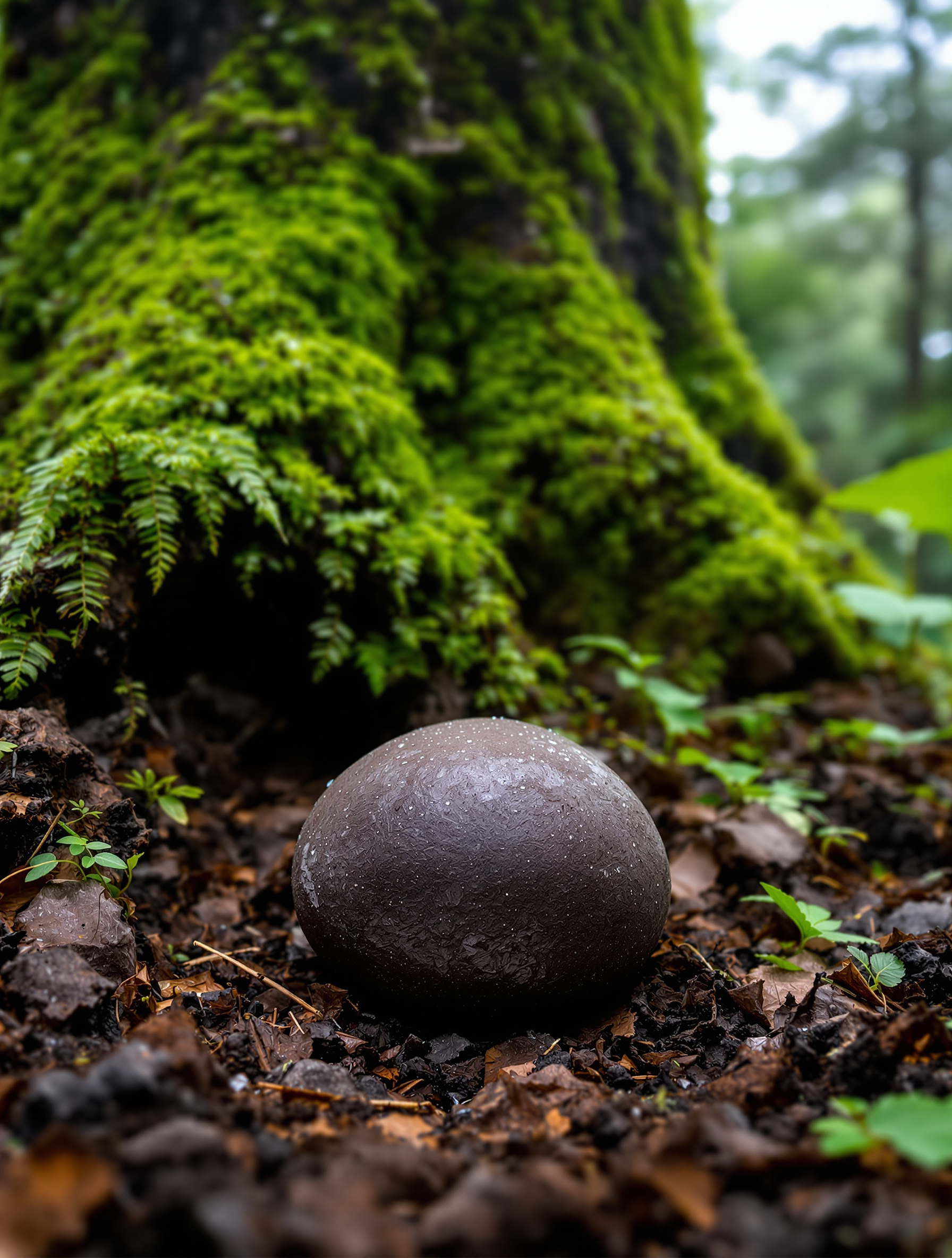
LocationGlacier National Park, Montana
Coordinates48.7596° N, 113.7870° W
SeasonLate summer
DietHuckleberries, whitebark pine nuts, cutthroat trout
TextureDense, loosely tubular, seed-studded
AromaJammy huckleberry, decaying vegetation, turned earth
Dimensions8 × 28 cm
Weight680 g
HabitatSubalpine meadow at treeline
FreshnessFresh, within 2 hours of deposit
Three-toed Sloth specimen

Three-toed Sloth

Bradypus variegatus

A weekly ritual of extraordinary commitment. The sloth descends from the canopy — its only voluntary journey to earth — to deposit a neat, compact bolus at the base of its home tree. The effort is considerable; the specimen, modest. A hard, dry pellet with a faint fungal mustiness. The dedication-to-output ratio is, by any measure, the most inefficient in the animal kingdom.
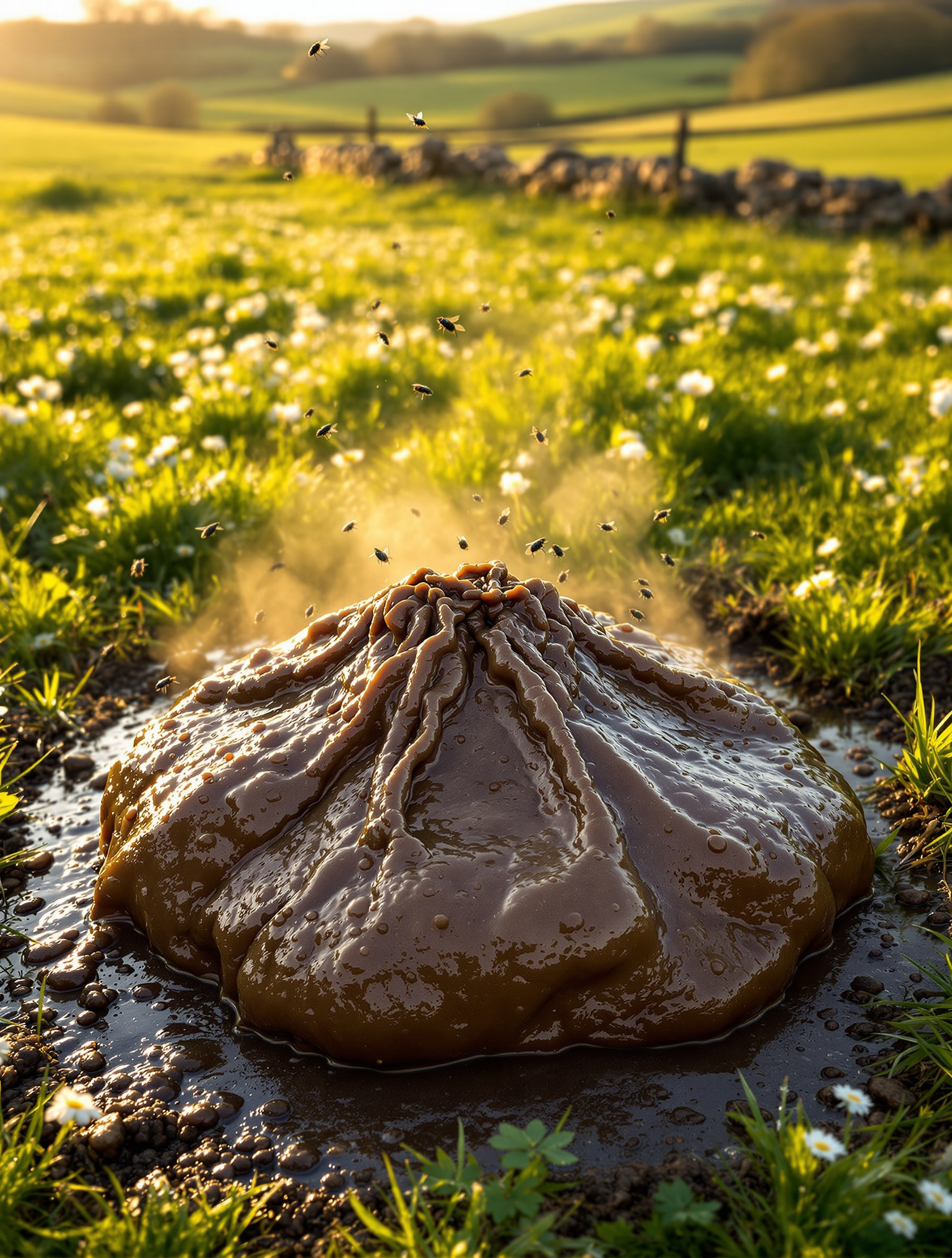
LocationMonteverde Cloud Forest, Costa Rica
Coordinates10.3150° N, 84.8140° W
SeasonTransition to dry season
DietCecropia leaves, select canopy foliage
TextureCompact, dry, pellet-like
AromaFaint fungal mustiness, leaf litter, damp earth
Dimensions4 × 6 cm
Weight45 g
HabitatCloud forest floor, base of Cecropia tree
FreshnessDeposited within the hour, weekly occurrence
Domestic Cow specimen

Domestic Cow

Bos taurus

Ubiquitous. Democratic. The most observed specimen in the entire compendium — witnessed daily by billions, contemplated by almost none. The classic circular pat, deposited mid-stride with bovine nonchalance, is a masterwork of fluid dynamics frozen in time. The aroma is the baseline against which all other specimens in this volume are measured: grassy, sweet, warm, fundamentally pastoral. This is the specimen that needs no introduction, and yet has never received a proper one. Until now.

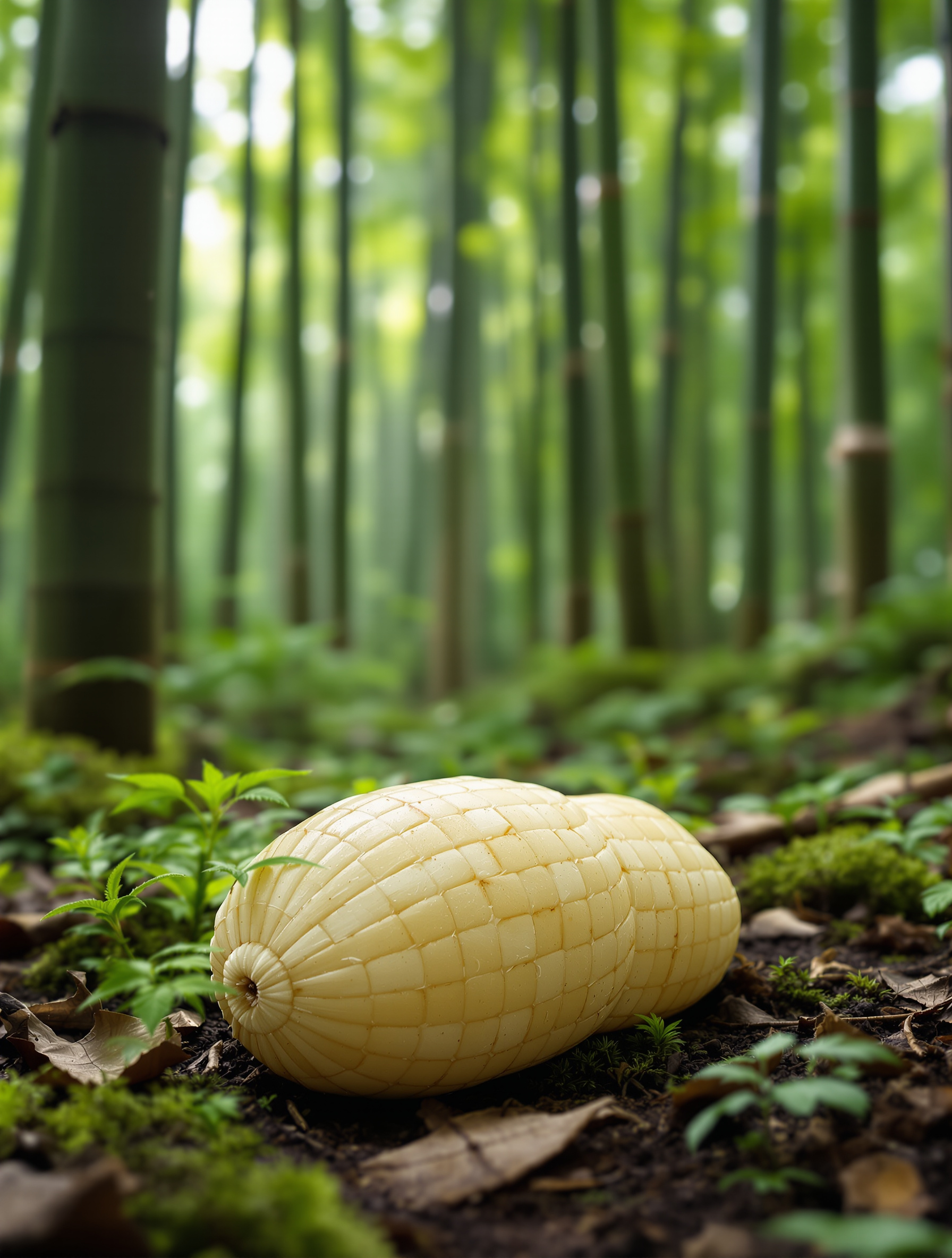
LocationShelburne Farms, Vermont
Coordinates44.3866° N, 73.2540° W
SeasonMidsummer
DietRyegrass pasture, clover, supplemental hay
TextureSemi-liquid, classic circular pat formation
AromaSweet grass, warm, fundamentally pastoral
Dimensions30 cm diameter, 4 cm height
Weight2.3 kg
HabitatRolling pastureland, limestone country
FreshnessMinutes old, still steaming in morning air
Asia
Asia
Giant Panda specimen

Giant Panda

Ailuropoda melanoleuca

Prolific and unmistakable. A bamboo processor of staggering inefficiency — some 40 deposits per day, each a pale, cigar-shaped tribute to cellulose. The specimen is surprisingly pleasant: clean, vegetal, almost like fresh-cut hay. One detects neither malice nor urgency. The panda, as ever, is unbothered.
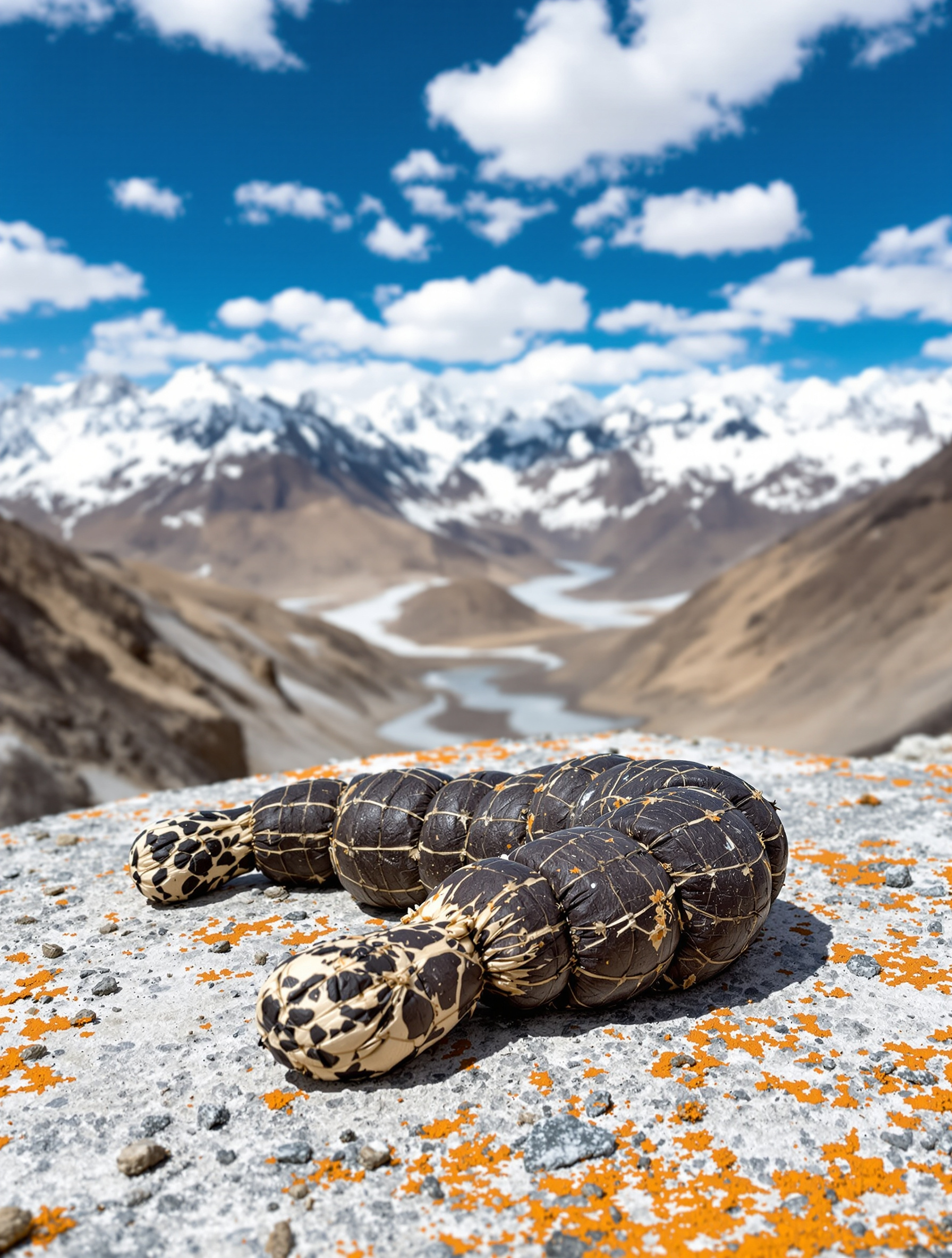
LocationWolong Nature Reserve, Sichuan
Coordinates31.0170° N, 103.1720° E
SeasonLate spring
DietArrow bamboo (Bashania faberi), exclusively
TextureSpindle-shaped, densely packed bamboo fiber
AromaFresh-cut hay, mild vegetal, faintly sweet
Dimensions5 × 14 cm
Weight180 g
HabitatMontane bamboo forest, 2,500m elevation
FreshnessWithin 1 hour, still warm
Snow Leopard specimen

Snow Leopard

Panthera uncia

Rare. Elusive. To find snow leopard scat is to find evidence of a ghost. Deposited on a prominent rocky ledge with calculated visibility — a territorial broadcast to an audience of one, perhaps two, in an entire valley. The specimen is dry, segmented, and bound with the grey fur and bone fragments of blue sheep. The aroma is sharp, feline, carried on the thin Himalayan air. One does not discover this specimen. One earns it.
LocationHemis National Park, Ladakh
Coordinates33.7500° N, 77.5700° E
SeasonLate winter
DietBharal (blue sheep), marmot, ibex
TextureDry, segmented, fur-bound
AromaSharp feline musk, bone mineral, thin mountain air
Dimensions3 × 12 cm
Weight65 g
HabitatExposed ridge, 4,200m elevation
FreshnessEstimated 3–5 days, wind-desiccated
Komodo Dragon specimen

Komodo Dragon

Varanus komodoensis

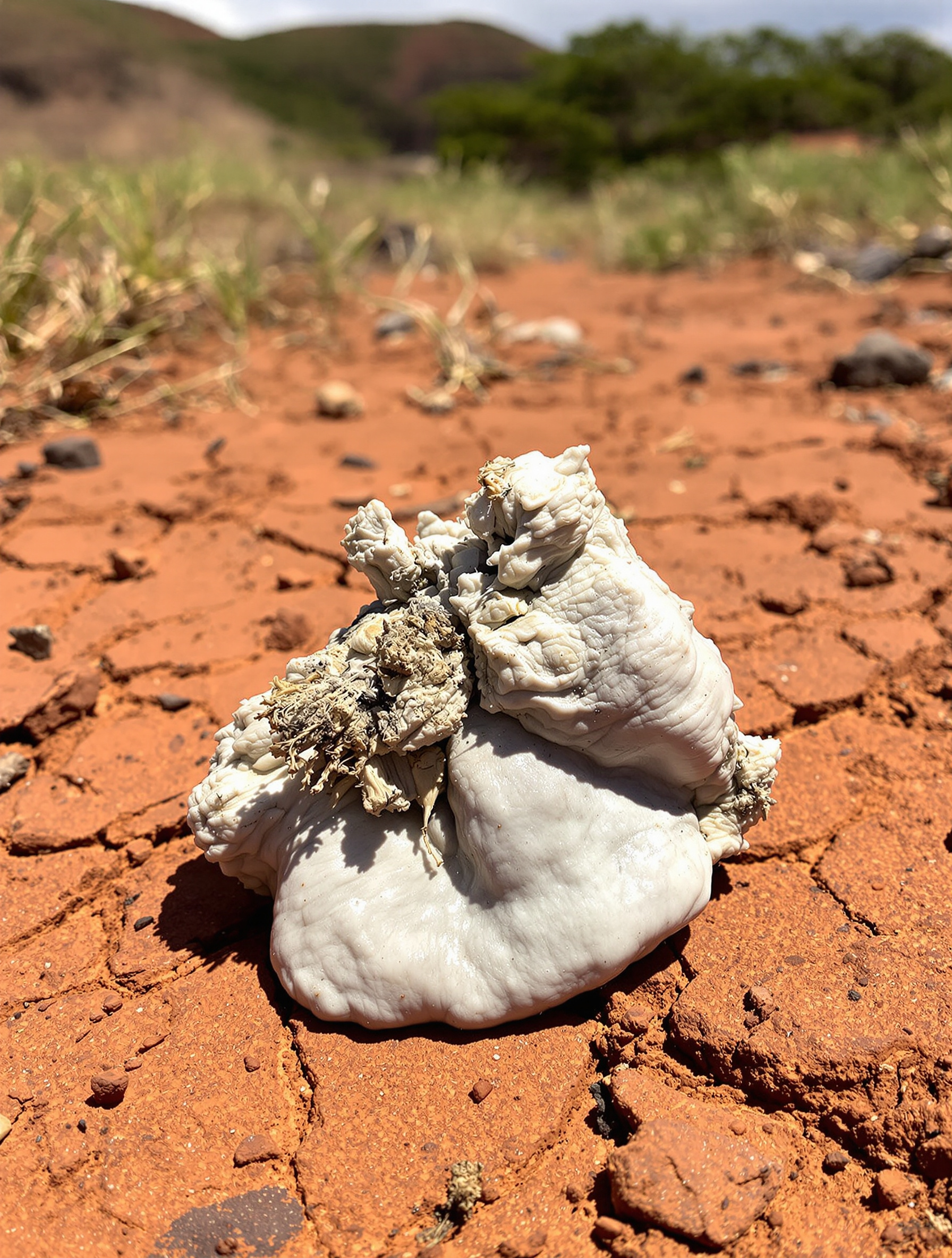
Primordial. A pale, chalky mass expelled with reptilian indifference on the sunbaked volcanic soil of Rinca Island. The specimen is dense with calcium — the undigestible bones and teeth of prey consumed whole. The aroma is startling: a concentrated carrion sweetness that announces, without ambiguity, the apex predator of the Lesser Sunda Islands. Three million years of evolution, distilled into a single deposit.

LocationRinca Island, Komodo National Park
Coordinates8.7620° S, 119.7050° E
SeasonDry season
DietTimor deer, water buffalo carrion, wild boar
TextureDense, chalky, calcium-white with bone fragments
AromaConcentrated carrion, reptilian musk, sulphurous
Dimensions6 × 10 cm
Weight140 g
HabitatOpen savanna, volcanic soil near game trail
FreshnessWithin 24 hours, sun-bleached surface
Australasia
Australasia
Green Sea Turtle specimen

Green Sea Turtle

Chelonia mydas

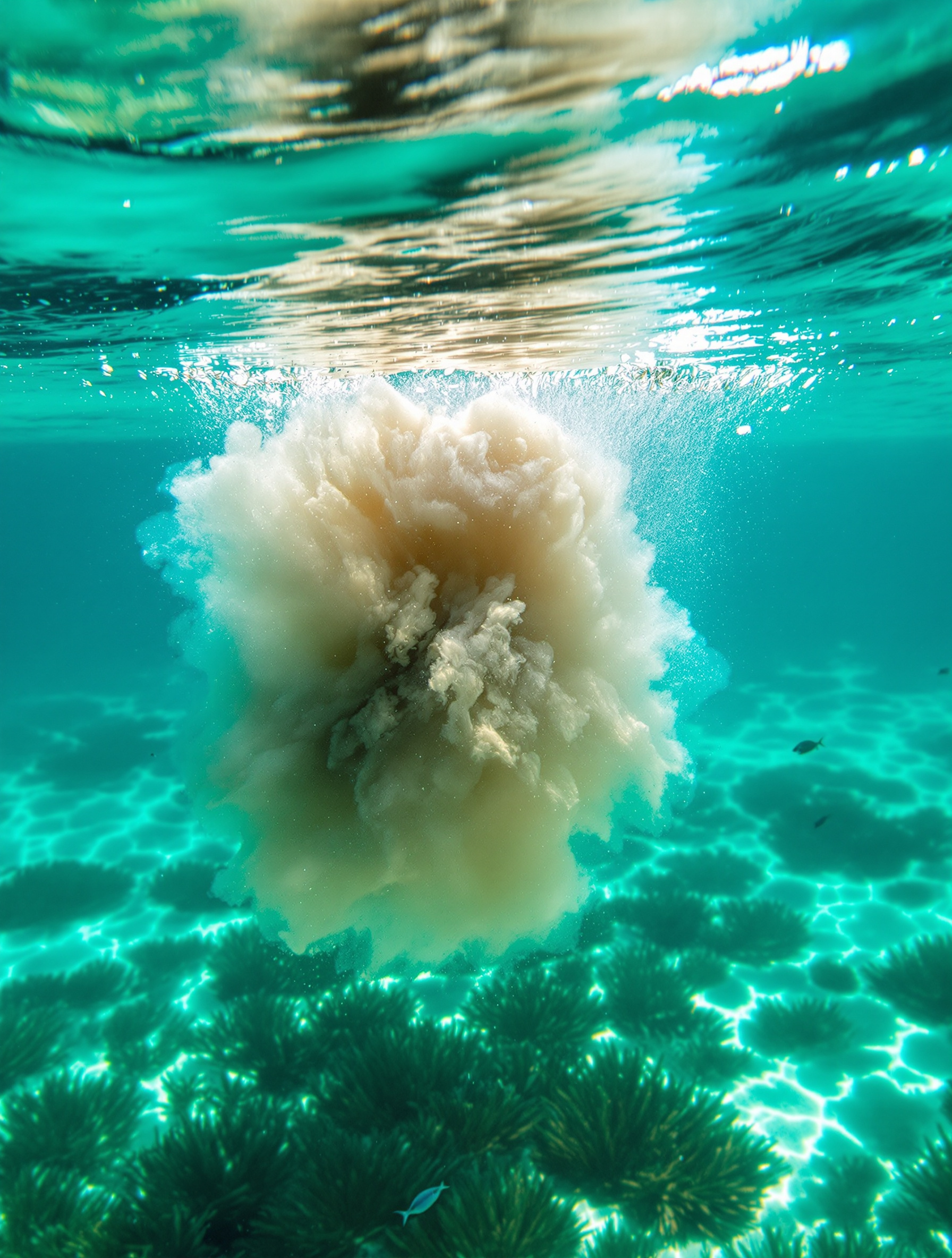
An oceanic rarity, seldom observed in situ. The specimen presents as a diffuse, olive-toned cloud — ephemeral, almost impressionistic. Briny and vegetal, with the unmistakable signature of a seagrass diet. There is a gentleness here. A quiet contribution to the reef ecosystem.
LocationGreat Barrier Reef, Queensland
Coordinates18.2871° S, 147.6992° E
SeasonAustral spring
DietSeagrass, predominantly Halodule and Cymodocea
TextureSemi-liquid, fibrous suspension
AromaMarine brine, vegetal, faintly sulfurous
DimensionsDiffuse — approximately 30 cm dispersal
WeightIndeterminate (aquatic)
HabitatShallow seagrass bed, 3m depth
FreshnessObserved in real-time
Common Wombat specimen

Common Wombat

Vombatus ursinus

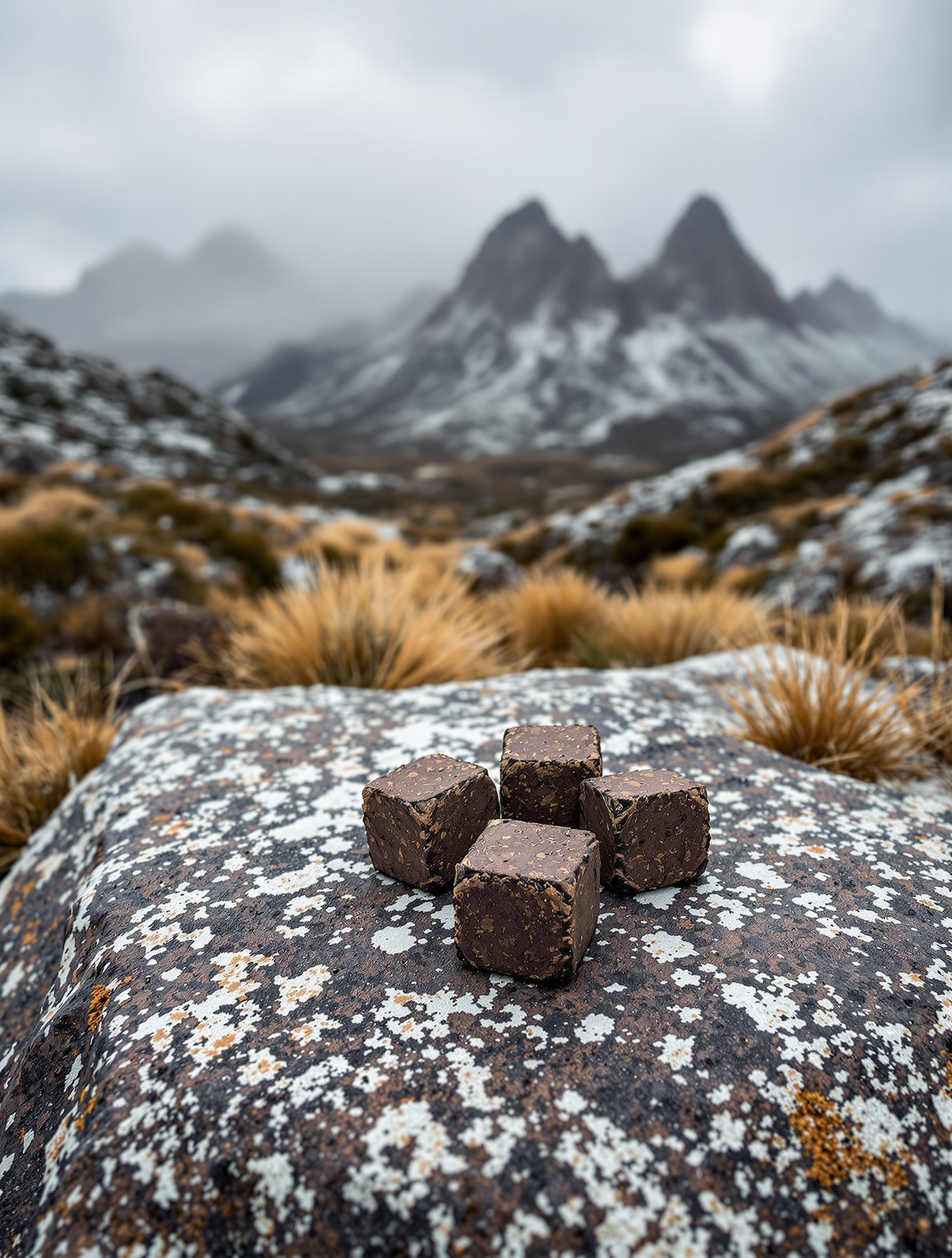
Geometry in the wild. The cube-shaped pellets are unmistakable — nature's only right-angled excrement, arranged with curatorial precision atop a granite outcrop. Dry, compact, faintly herbaceous. Each facet is a small marvel of intestinal engineering. One does not simply encounter wombat scat; one admires it.
LocationCradle Mountain, Tasmania
Coordinates41.6420° S, 145.9440° E
SeasonEarly winter
DietNative grasses, sedges, bark, roots
TextureDry, firm, distinctly cubic
AromaFaintly herbaceous, dried grass, mineral
Dimensions2 × 2 × 2 cm per cube (cluster of 6)
Weight8 g per cube
HabitatAlpine grassland, granite boulder field
Freshness24–48 hours, fully desiccated
Southern Cassowary specimen

Southern Cassowary

Casuarius casuarius

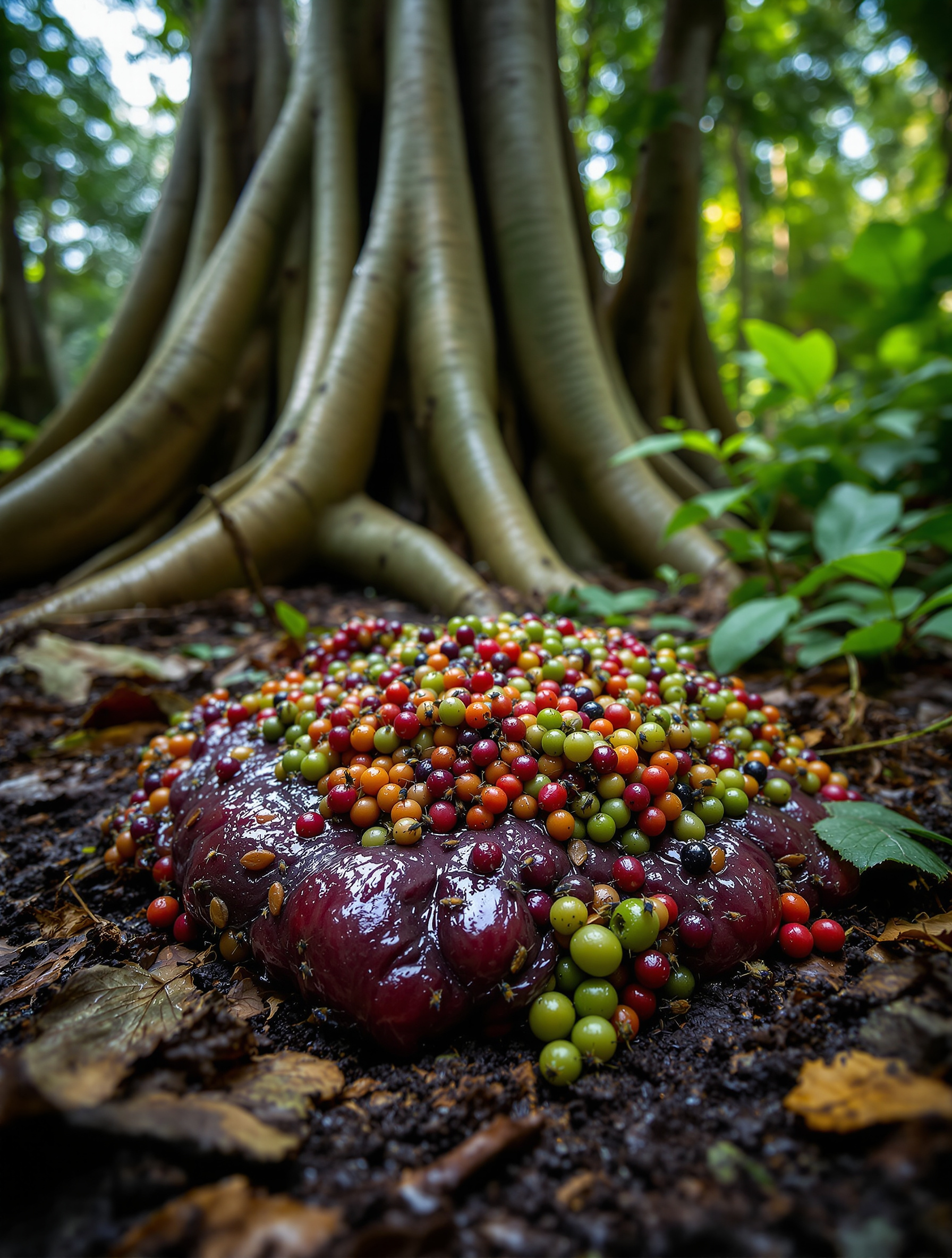
A seed bomb. The cassowary's prodigious droppings are less waste than ecological infrastructure — a slick, fruit-laden mass that germinates entire groves. The palette is vivid: purples, reds, and greens of partially digested rainforest fruits, glistening in the dappled understory light. The aroma is ripe, fermenting, tropical. One might call it generous.

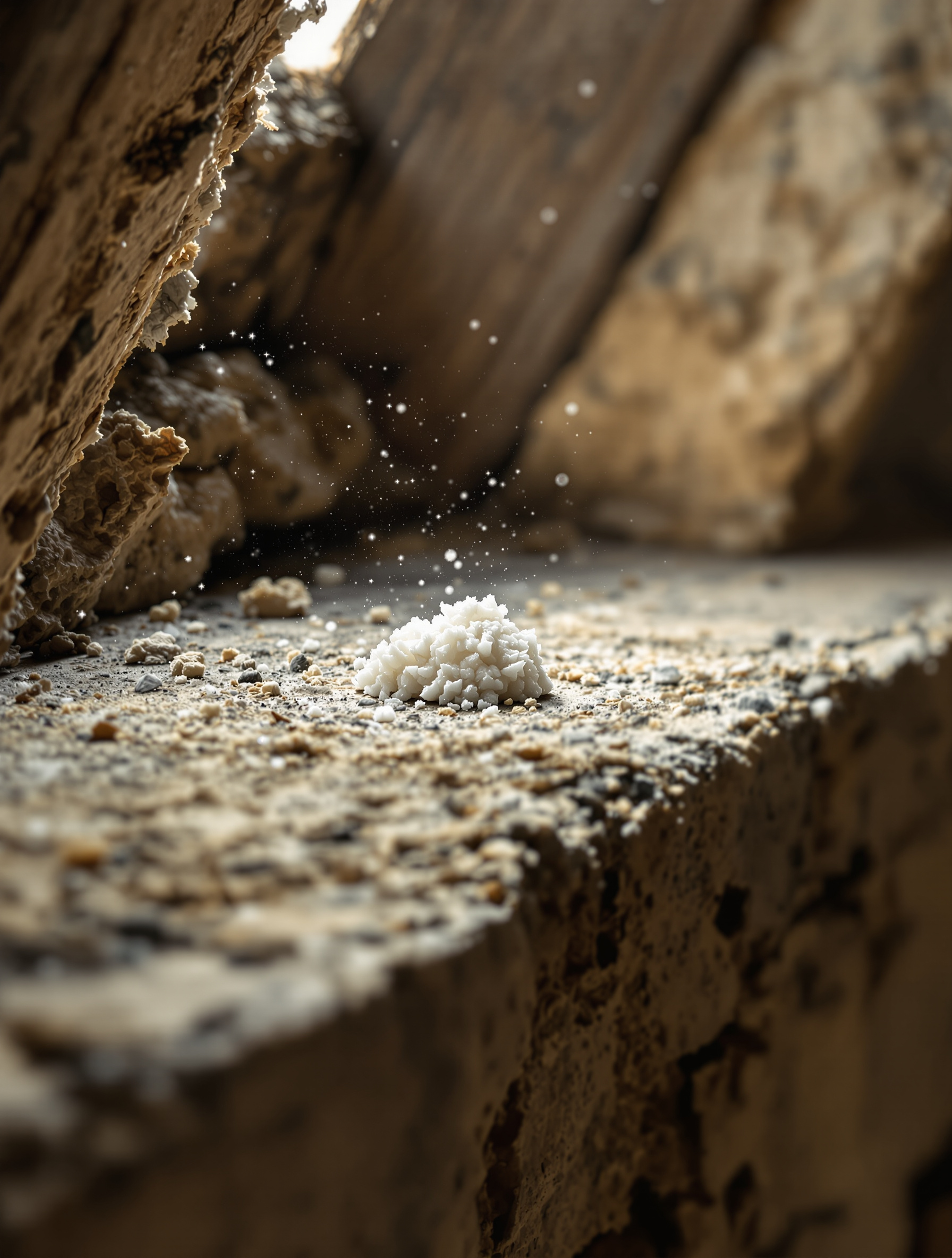
LocationDaintree Rainforest, Queensland
Coordinates16.2500° S, 145.4186° E
SeasonWet season
DietRainforest fruits — quandong, Davidson's plum, laurel
TextureSlick, semi-solid, laden with intact seeds
AromaFermenting tropical fruit, overripe, yeasty
Dimensions12 × 18 cm
Weight520 g
HabitatLowland tropical rainforest floor
FreshnessUnder 3 hours, actively attracting insects
Europe
Europe
Barn Owl specimen

Barn Owl

Tyto alba

Delicate. Almost architectural. A compact pellet of chalky white, deposited with the precision one expects from a nocturnal specialist. Faint ammonia gives way to a dry, mineral finish. The surrounding splatter pattern — a masterwork of fluid dynamics — speaks to an elevated roost.
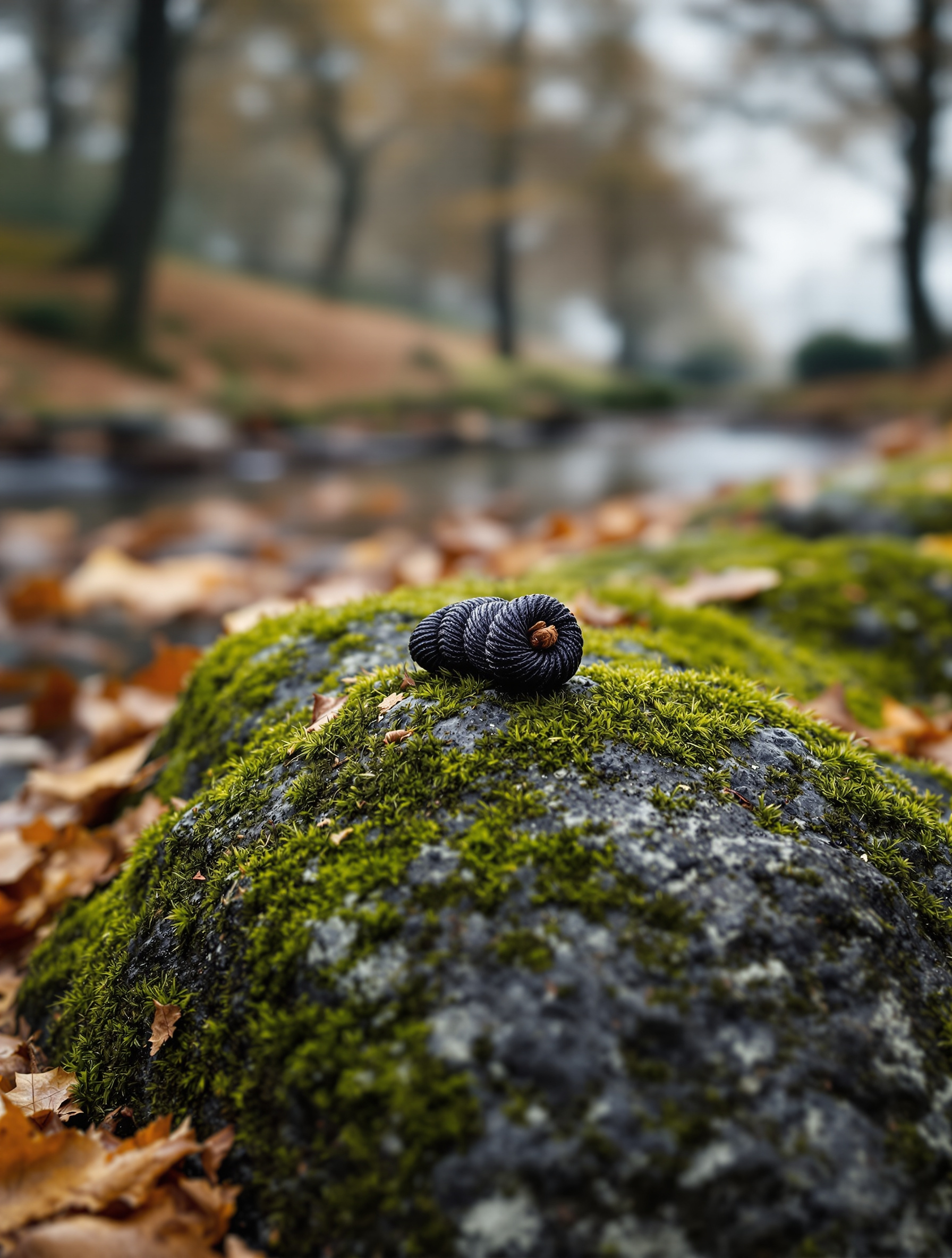
LocationCotswolds, England
Coordinates51.8330° N, 1.8433° W
SeasonEarly autumn
DietSmall rodents, predominantly field voles
TextureSemi-liquid, chalky paste with urate crystals
AromaSharp ammonia, dry mineral finish
Dimensions3 × 4 cm (central mass)
Weight12 g
HabitatAgricultural barn, stone construction
FreshnessOvernight deposit, approximately 8 hours
Red Fox specimen

Red Fox

Vulpes vulpes

Territorial. Deliberate. Placed with conspicuous intent atop a riverside boulder — a calling card. The dark, tapered form carries the sharp musk that defines the species, underscored by notes of partially digested blackberry and an unmistakable animal protein backbone. Urban-adapted, yet never domesticated.
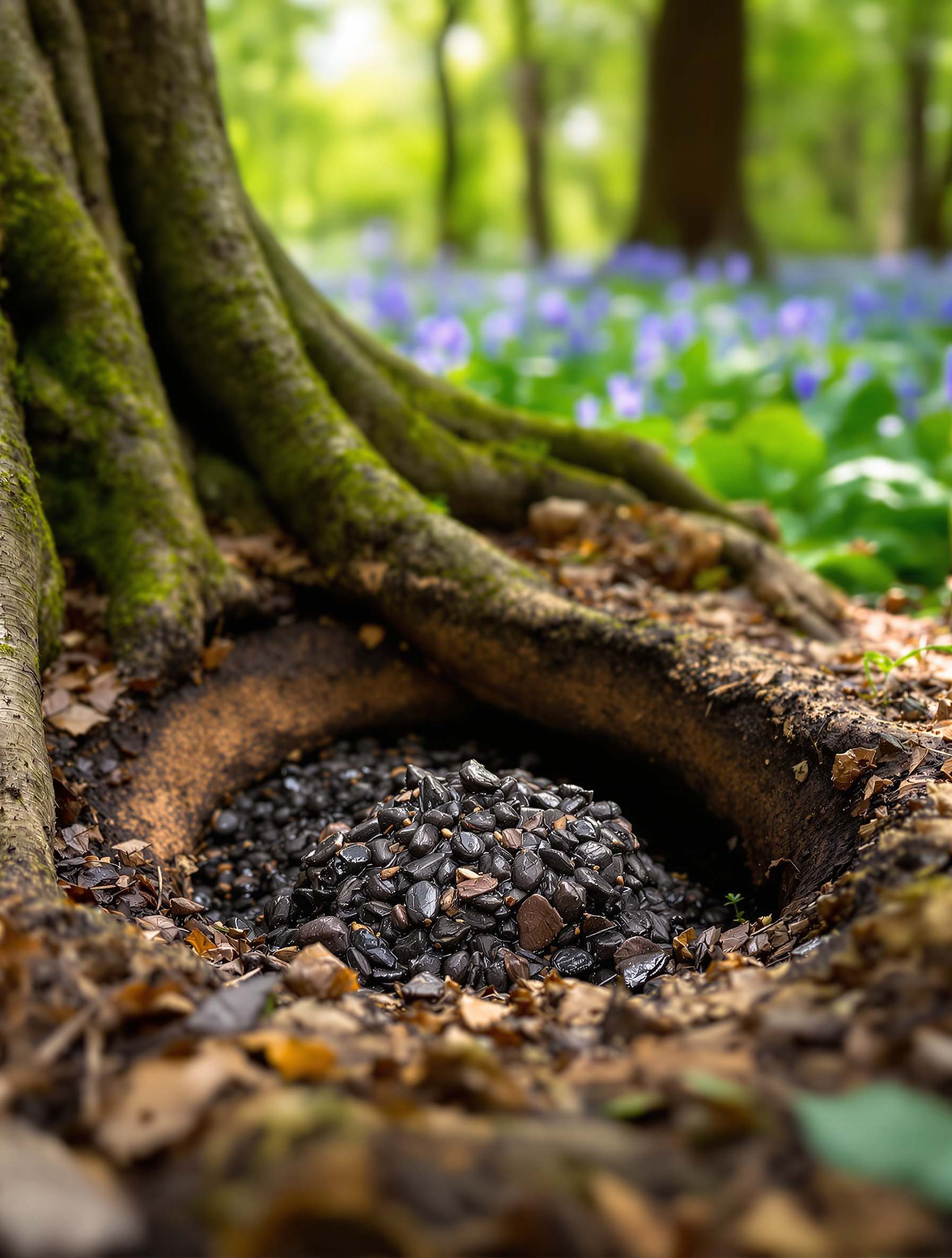
LocationHampstead Heath, London
Coordinates51.5614° N, 0.1636° W
SeasonMid-autumn
DietOmnivorous — blackberries, rodents, scavenged takeaway
TextureFirm, twisted, tapered at both ends
AromaSharp territorial musk, blackberry, animal protein
Dimensions2 × 9 cm
Weight35 g
HabitatUrban parkland, riparian zone
Freshness12–18 hours, surface dried
Eurasian Badger specimen

Eurasian Badger

Meles meles

Communal. Ritualistic. The badger does not defecate haphazardly — it maintains a latrine, a shared civic space excavated at the boundary of its territory. The deposit is a shallow pit of dark, semi-liquid paste, rich with the evidence of an eclectic diet: earthworms, elderberries, wheat. Beneath the pungency lies an almost earthy sweetness. The latrine speaks of social order, of negotiated boundaries, of a creature that has solved sanitation.


LocationForest of Dean, Gloucestershire
Coordinates51.7680° N, 2.5910° W
SeasonLate spring
DietEarthworms, elderberries, cereals, beetle larvae
TextureSemi-liquid paste, deposited in shallow pit
AromaPungent musk, earthy sweetness, fermented fruit
DimensionsPit approximately 12 × 8 cm, 5 cm deep
Weight85 g
HabitatDeciduous woodland edge, established sett boundary
FreshnessOvernight, approximately 10 hours
The Poles
The Poles
Blue Whale specimen

Blue Whale

Balaenoptera musculus

Monumental in every sense. A plume of vivid orange-red disperses across the Southern Ocean surface — the chromatic signature of a krill-exclusive diet. The sheer volume is humbling. One is reminded that scale, in nature, is not merely physical but philosophical. This is the largest bowel movement on Earth.
LocationSouthern Ocean, Antarctic Peninsula
Coordinates64.2500° S, 62.9833° W
SeasonAustral summer
DietAntarctic krill (Euphausia superba), exclusively
TextureLiquid plume, dispersive
AromaOceanic, intensely briny, astringent krill
DimensionsPlume dispersal approximately 3–5 meters
WeightEstimated 90–180 kg per event
HabitatOpen pelagic waters, 200m from ice shelf
FreshnessPhotographed during active event
King Penguin specimen

King Penguin

Aptenodytes patagonicus

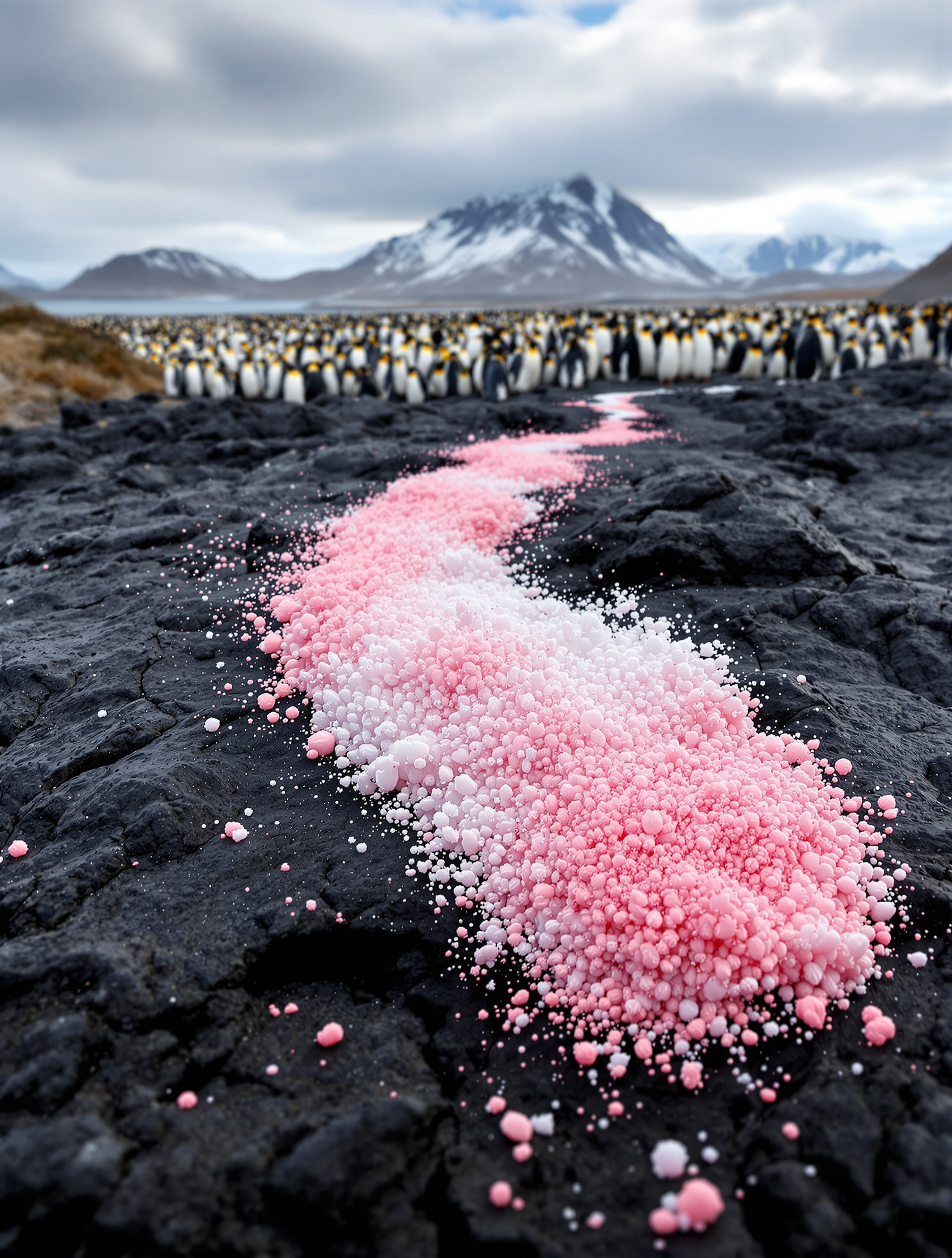
Projectile. The king penguin defecates with a force that would impress a civil engineer — generating internal pressures sufficient to launch the deposit up to 1.3 meters from the body. The specimen is a vivid streak of pink-white against dark volcanic rock, the chromatic signature of a fish and squid diet. En masse, a colony transforms the landscape into an abstract expressionist canvas. Pollock, but colder.
LocationSalisbury Plain, South Georgia
Coordinates54.0500° S, 37.3333° W
SeasonBreeding season, austral summer
DietLanternfish, squid
TextureSemi-liquid, projectile streak
AromaIntensely fishy, ammonia, guano
DimensionsStreak approximately 4 × 40 cm
Weight30 g per event
HabitatCoastal breeding colony, tussock grass margin
FreshnessSeconds old, observed mid-projection
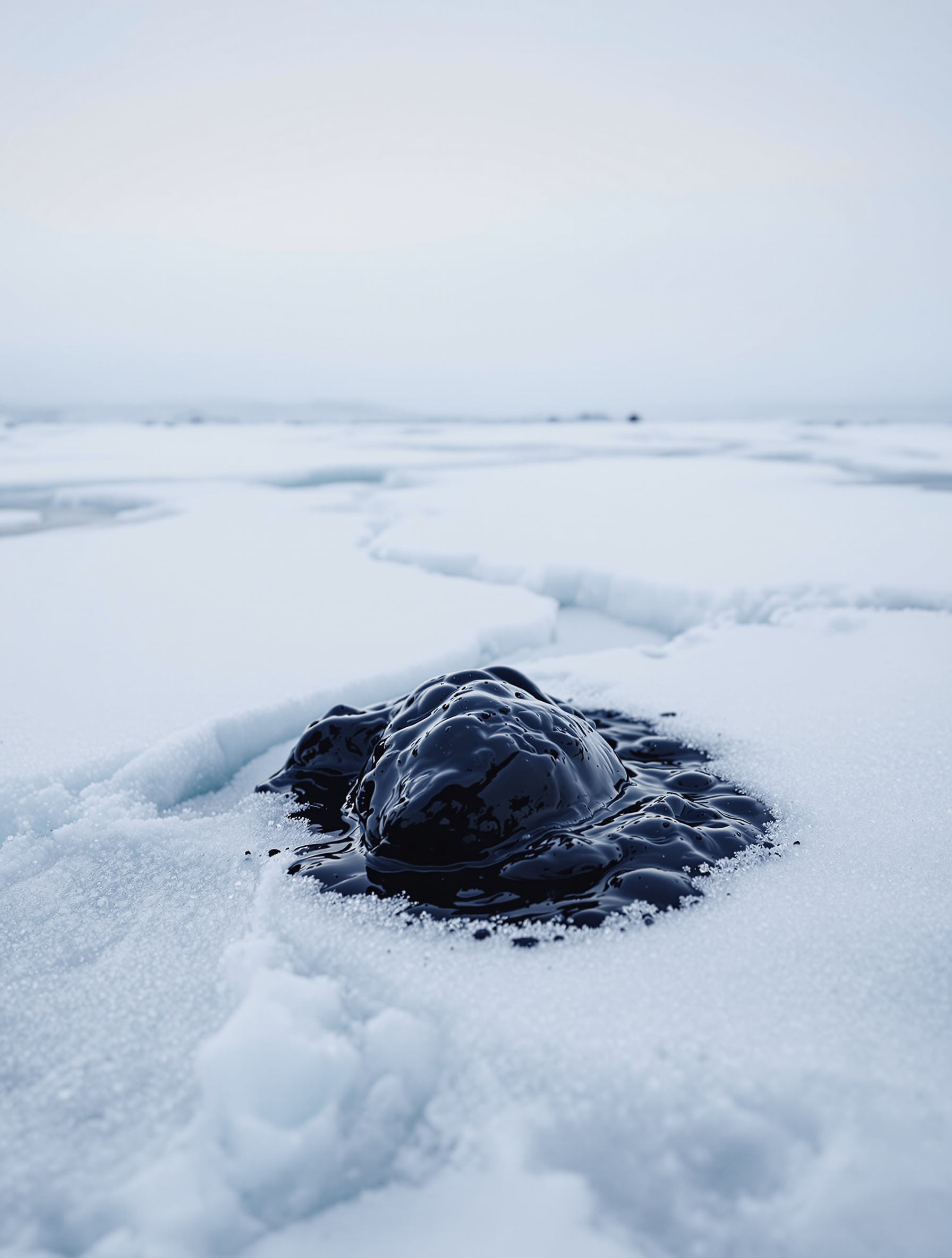
Polar Bear specimen

Polar Bear

Ursus maritimus

A dark punctuation mark on an infinite white page. The polar bear's deposit is unmistakable on the sea ice — a loose, dark, oily mass rich with the rendered fat of ringed seal. The aroma is marine and heavy, carrying across the frozen stillness with a directness that mirrors the bear itself. In a landscape of absolute minimalism, even waste becomes a landmark. One navigates by it.

LocationSvalbard Archipelago, Norway
Coordinates78.2300° N, 15.6300° E
SeasonLate spring
DietRinged seal, predominantly blubber
TextureLoose, oily, dark, semi-liquid
AromaHeavy marine fat, rendered seal oil, brine
Dimensions20 × 25 cm (spread)
Weight800 g
HabitatPack ice edge, 2km from open water lead
FreshnessUnder 6 hours, partially frozen surface
D S F

differentspeciesfeces.com

Coming 2026

0 / 0
About